









Negros Oriental State University (NORSU) has begun pilot testing of its Solar-Powered Smart
Irrigation System at the Bayawan-Sta. Catalina Campus in October 2025, reinforcing the
university's commitment to climate resilience, sustainable agriculture, and community-
responsive innovation.
The pilot project is spearheaded by the College of Agriculture under the leadership of Dean Dr.
Francis M. Galon in collaboration with campus and university support units. It is led on the
ground by Asst. Prof. Reynaldo J. Navarro, Campus Head for Student Affairs and Services
(SAS) and the Campus General Services Unit (CGSU), who coordinated site preparation,
campus logistics, and community alignment.
Technical development and system integration were carried out with Engr. Elton Ian M. Jo, CIT
Instructor, who provided expertise in solar energy systems, irrigation controls, and initial
automation design. The initiative also forms part of the university's' broader creative and research
agenda through the involvement of the RDE-Creative Works Unit, led by Asst. Prof. Ann
Beverly Corona-Verbosidad, contributing to program framing, documentation, and future
knowledge translation for communities.
The project is championed by University President Hon. Noel Marjon E. Yasi, whose support
underscores NORSU's vision of harnessing innovation not only for efficiency but for social
impact-particularly for backyard farmers, women-led households, and resource-constrained
communities affected by climate variability, water scarcity, and rising energy costs.
Rather than focusing solely on technology, the pilot emphasizes how renewable energy and smart
irrigation can reduce daily labor, stabilize food production, and improve the quality of life at the
household level. The pilot also serves as a reference point for future research, community
partnerships, and policy-aligned scaling initiatives in climate-smart agriculture.
Lessons from the pilot testing will inform future expansion to community gardens and vulnerable
farming areas, positioning NORSU as a partner in climate-adaptive, people-centered agricultural
solutions.
Figure 1. The ten-thousand-liter elevated water tank used as reservoir for the solar-powered water pump
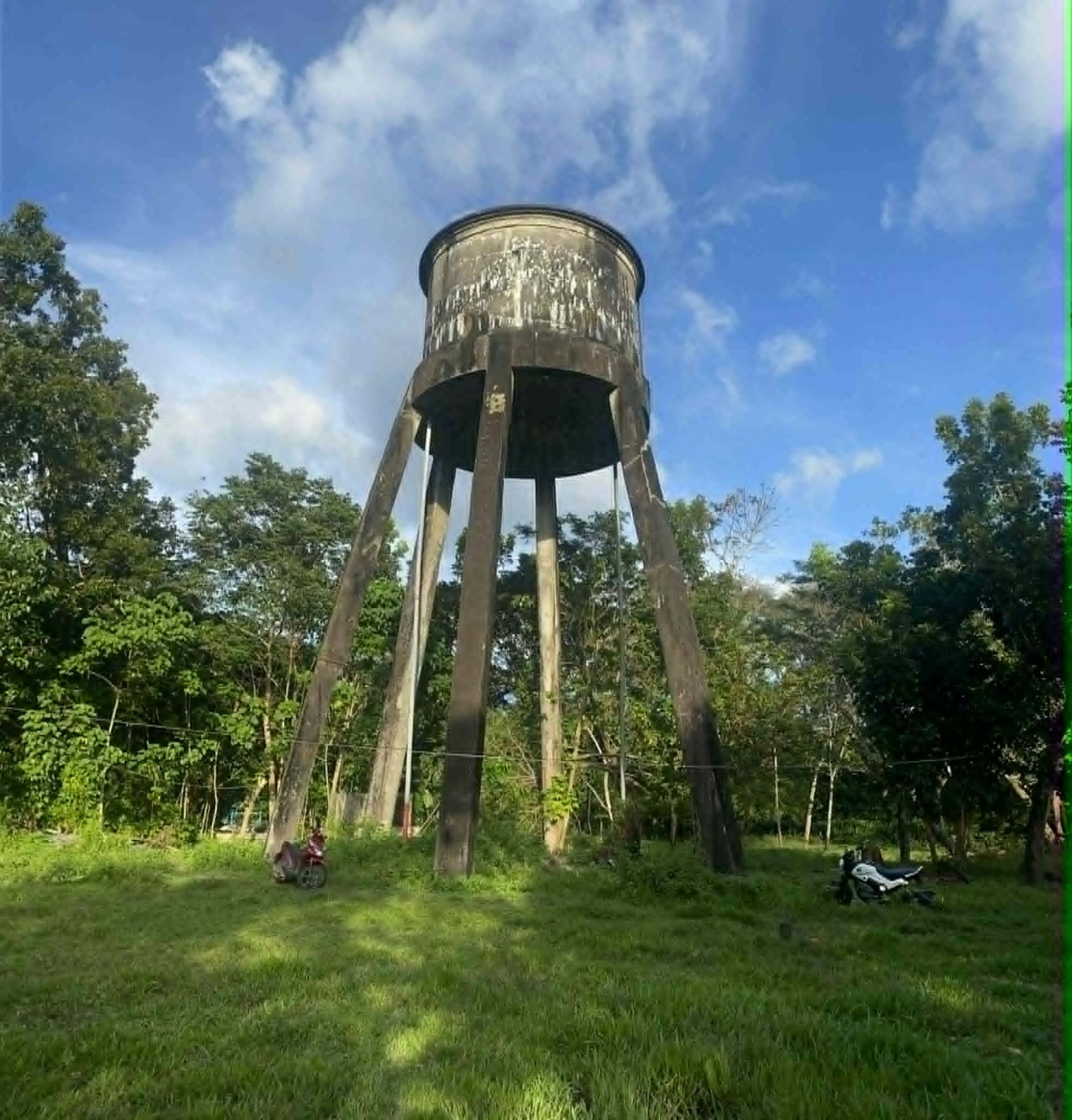
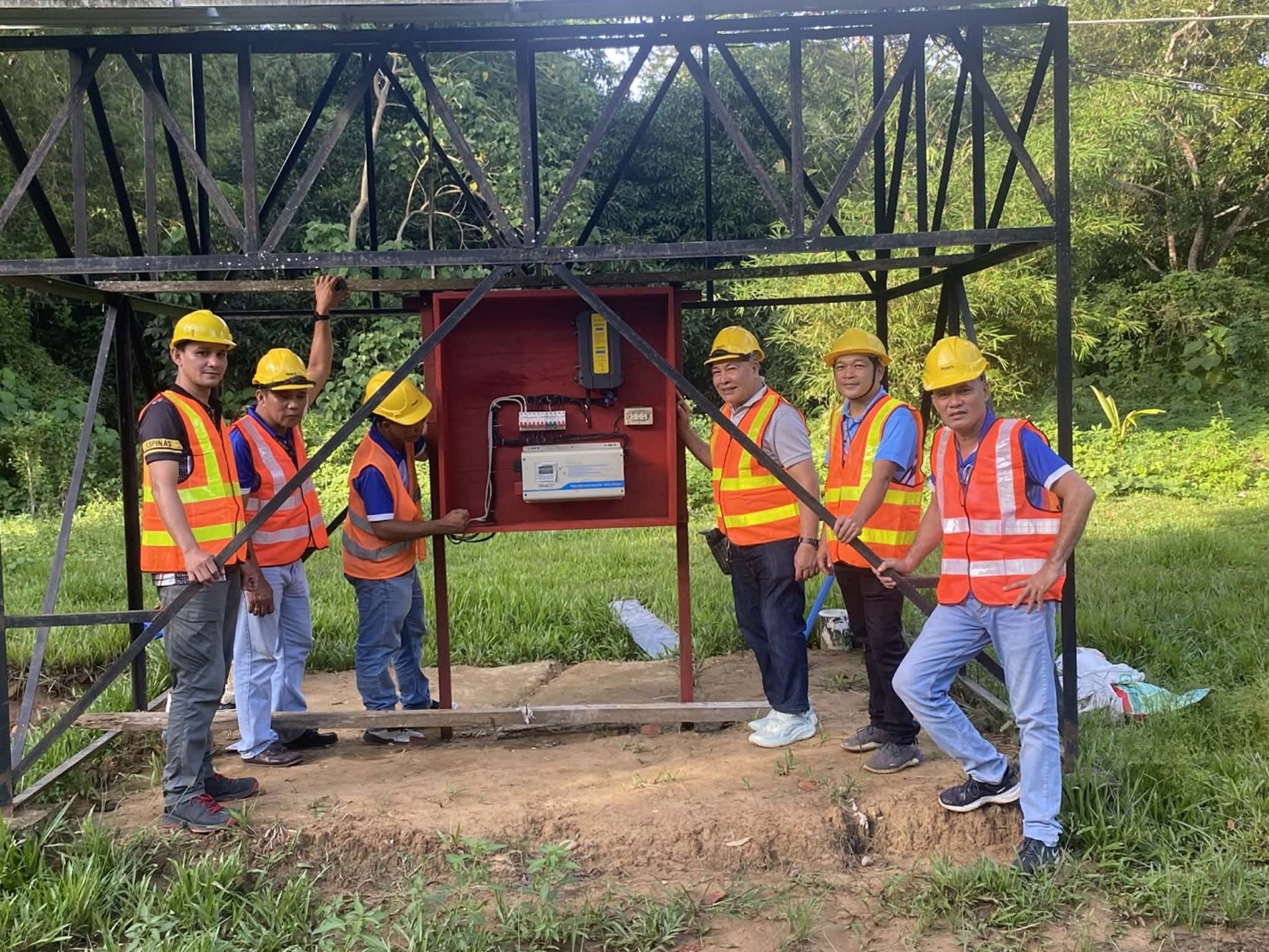
Figure 2. Commissioning of the solar powered water pump on November 18, 2025