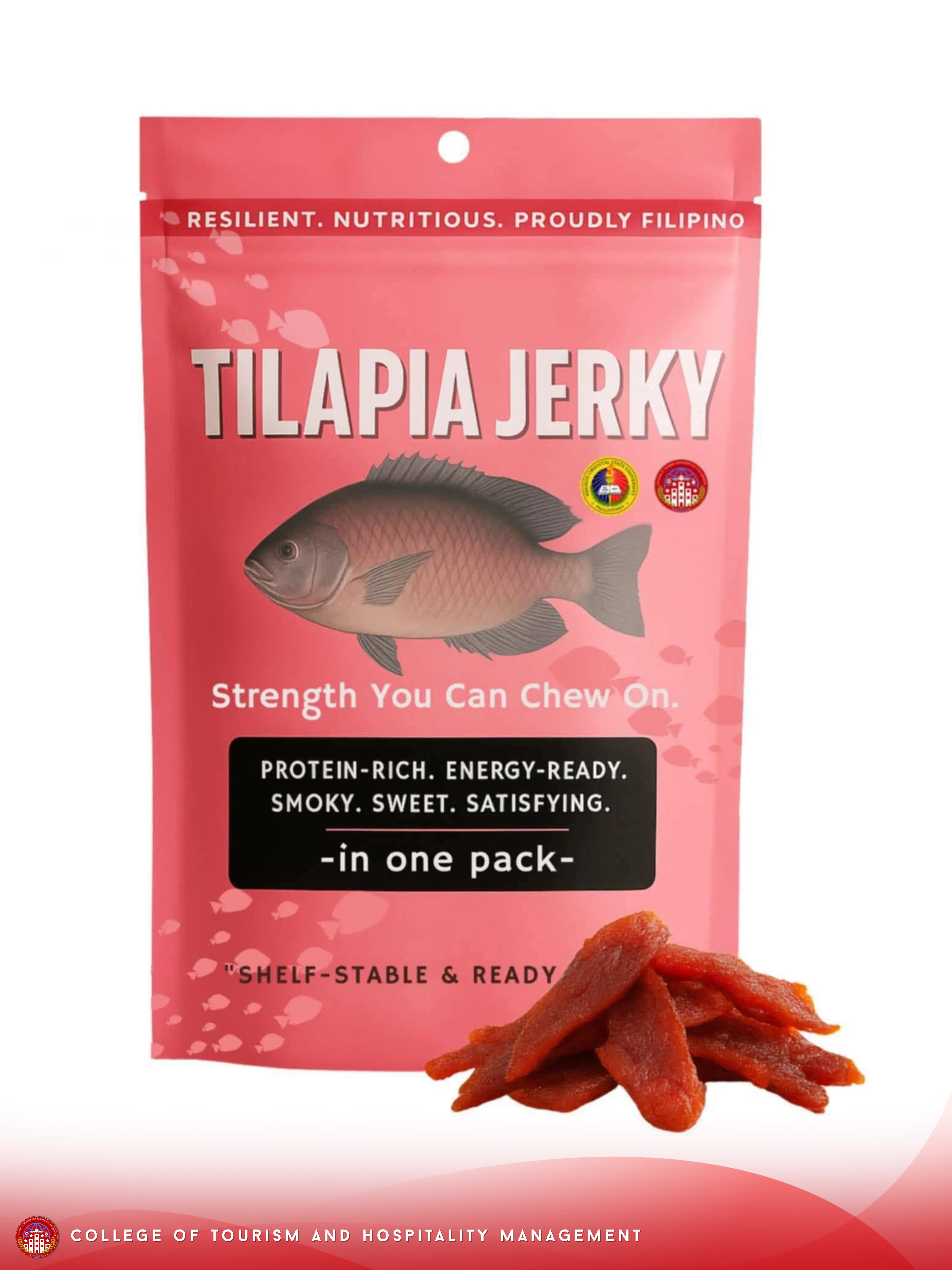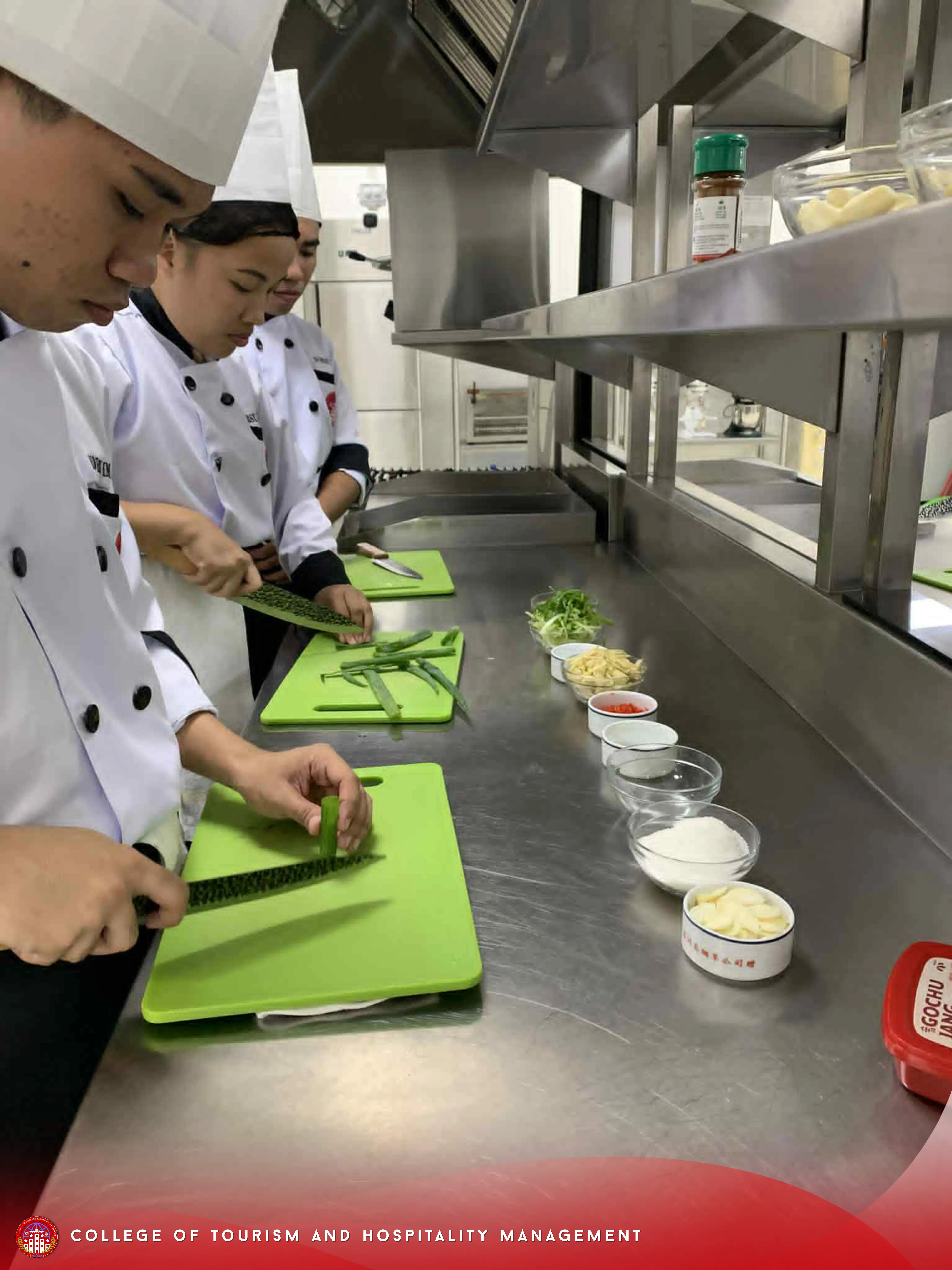








Negros Oriental State University (NORSU), through its College of Tourism & Hospitality Management, leads a groundbreaking initiative that redefines rural development by directly addressing one of the province’s persistent challenges: the oversupply of local agricultural and aquaculture produce. Instead of allowing surplus tilapia, bangus, root crops, and vegetables to go to waste or be sold at low farm-gate prices, the program converts these abundant resources into high-value, market-ready products, creating new livelihood opportunities for rural communities.
Driving Community Growth Through Innovative Food Diversification equips farmers and fisherfolk with modern food processing skills, entrepreneurial knowledge, and climate-smart practices. Through research-based utility models such as squash-infused bread, squash-enhanced cookies, smoked bangus, tilapia patties, and dehydrated fish snacks, the program demonstrates how local commodities can be transformed into nutritious, competitive goods that reduce post-harvest losses and stabilize income.
Anchored on the Sustainable Development Goals (SDGs), the initiative integrates research, extension, and commercialization to ensure long-term sustainability. It advances SDG 1 (No Poverty) and SDG 8 (Decent Work and Economic Growth) by generating livelihoods; SDG 2 (Zero Hunger) by enhancing food security and reducing waste; SDG 5 (Gender Equality) through inclusive training; SDG 12 (Responsible Consumption and Production) through value-adding and eco-friendly processing; and SDG 13 (Climate Action) through climate-resilient practices.
Partnerships with LGUs, cooperatives, and national agencies strengthen market linkages and expand opportunities for rural enterprises. Unlike traditional approaches that rely on raw commodity sales, this initiative builds resilient, community-driven agribusiness ecosystems that uplift livelihoods, promote environmental stewardship, and ensure that local abundance becomes a source of shared prosperity.
With strong industry reception and government support, the program positions NORSU as a national model for inclusive, sustainable, and innovation-driven community development, proving that rural communities can thrive through strategic food diversification.